

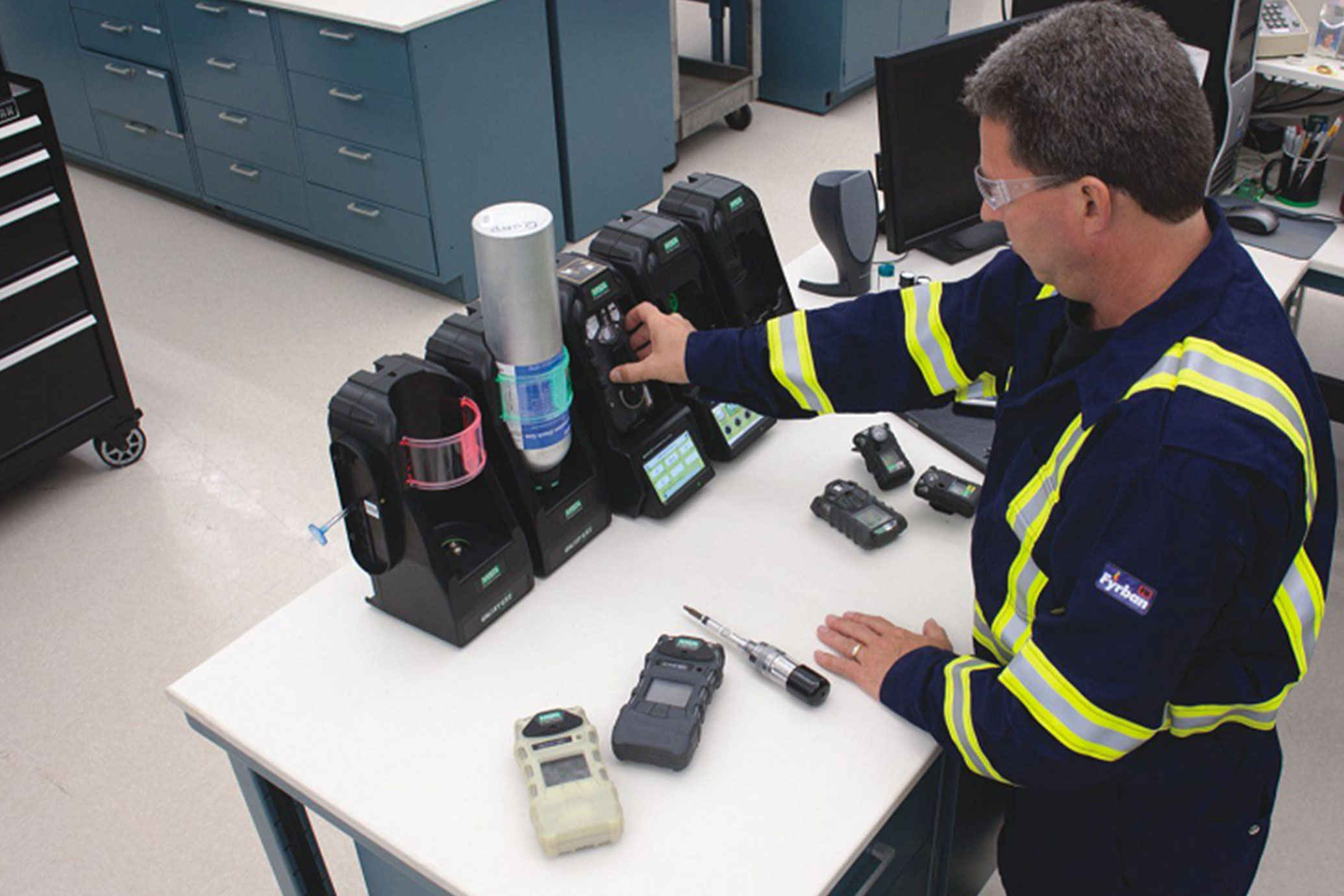
Hidden Hazards: The Crucial Role of Gas Detector Maintenance
Portable gas detectors are vital tools across numerous industries. They safeguard workers from hazardous gasses, oxygen-deficient environments, and atmospheres immediately dangerous to life or health (IDLH). But just like any other safety equipment, these detectors need proper care to function effectively.
This post dives into the world of portable gas detector maintenance, explaining the key differences between calibration and bump tests, their importance, and how connected gas detectors can streamline the process.
Why are Portable Gas Detectors Important?
Imagine a confined space entry or a routine plant maintenance check. Portable gas detectors play a critical role in ensuring the safety of workers in such situations by detecting potential hazards like gas leaks or oxygen deprivation. However, for these to be reliable lifesavers, they require regular maintenance.
Calibration vs. Bump Tests: Understanding the Difference
Both calibration and bump tests involve exposing the detector’s sensors to gasses. But their purposes differ:
- Calibration: Addresses sensor drift, a gradual decrease in sensor sensitivity over time. During calibration, a known amount of gas is introduced to the detector. The device’s response is then analyzed to determine if it needs adjustments to ensure accurate readings.
- Bump Tests: These are quicker and confirm that the sensors are functioning properly and can detect gas within a specific range. Bump tests, however, don’t adjust for sensor drift.
How Often Should Maintenance Occur?
Calibration frequency is typically at least every six months, though regulations may require more frequent intervals. Bump tests, on the other hand, are generally recommended before each use. More frequent bump tests might be necessary under specific circumstances, such as after the detector experiences a physical shock or high contaminant exposure.
The Benefits of Proper Maintenance
Regular maintenance offers a multitude of advantages:
- Safety: Ensures the detector functions correctly, safeguarding workers from potential hazards.
- Compliance: Meets regulatory requirements for gas detector usage, avoiding fines.
- Productivity: Minimizes downtime and costly incidents arising from undetected gas leaks or exposure.
Simplifying Maintenance with Connected Gas Detectors
Technological advancements are making gas detector maintenance easier. Connected gas detectors offer features like:
- Remote updates: Streamlines software updates for your entire detector fleet.
- Automated tests: Eliminates manual intervention by automatically performing calibrations and bump tests when needed.
- Automatic gas refills: Ensures you have the necessary gas for daily bump tests and calibrations, minimizing downtime due to empty cylinders.
By staying updated on the latest connected gas detection solutions, you can simplify maintenance procedures and prioritize worker safety while ensuring compliance with regulations.
Don’t Be a Statistic: Ensure Gas Detector Compliance with Our Experts